
The cost of acing human school
For decades, I was praised for being socially skilled, emotionally intuitive, and "good with people." What no one could see, including me, was the hidden cost of those strengths.
About the author: Jenny Smith is a writer, somatic practitioner, and recovering performer who's slowly learning what it means to trust her own body after decades of trying to outrun it. Through The Gentle Way, she walks alongside high-masking neurodivergent and highly sensitive women as they gently untangle from performance and find their way back home to themselves. She believes our bodies often know the truth long before our minds are ready to hear it, and that healing rarely happens through pushing harder. Most days you'll find her writing from a cozy coffee shop somewhere in Oregon, hoping her words help you discover that feels more like home.
As an autistic human, most of my personality was built on being able to fake social interaction.
I sometimes joke that I aced human school.
Some like to people-watch for fun. A lot of us autistic humans do it for survival. I learned to scan the room to see how people were acting so I could match them. I’ve gotten pretty good at mimicry. Only in recent years have I started to notice how quickly I match the tone, facial movements, body posture, and emotional expressiveness of the people I’m engaging with.
It’s weird when this skill got praised and celebrated for decades as a mark of being a great communicator. I was the only one who could save myself from this self-erasure.
So I finally did. I gently removed myself from a profession that demanded a lot of masking. It’s been a little over a month since those interactions came to a close.
Then I saw a couple people from that former space at a local theater show. Part of me was genuinely glad to connect for a moment. But another part of me noticed the masking energy rise to life immediately within my body.
Smile. Match their energy.
Answer their question.
Make eye contact.
Ask a question.
Don’t be awkward.
Okay, I think it’s okay to bring this to a close.
Whew.

I used to pride myself on my excellent communication skills. They were a badge of success. That I had figured out how to keep up and excel in human interaction.
Then my diagnosis showed me how deeply I’d been struggling under the surface. Autistic brains process human interaction manually.
Apparently, neurotypicals just do this stuff. Without a ton of conscious thought. WILD.
I had no idea everyone wasn’t working this hard at relationships.
Which explains the massive amounts of anxiety plaguing my body for decades. The bass note reverberating underneath my entire life: No one can ever know.

In this past month of rest and play, I’d mostly gotten to avoid this knowing. But this small social interaction made it plain as day.
It’s really scary to notice how hard this is for me.
But instead of shame, self-hatred, and berating myself to try harder, I’m learning to let the truth be here.
Social interaction is hard for me.
It takes far more effort than I’d like.
It makes daily life challenging at times.
I do better with 1:1 interactions. Groups are hard.
If we’re talking about my special interests, I do much better.
I spent 40 years overriding each of these truths. Erasing myself. Fawning as a way to feel safe. Placing the need of others above my own. Believing I was too much. Too emotional. Too talkative. Too messy. Too complicated. The only way to feel safe was to present oh so carefully. To be contained.
Because I had aced people school. I watched the others get pushed to the margins for being all those things. So my literal brain took notes and made sure that wouldn’t happen to me.
But it came with a cost I’m no longer willing to pay.
A question I’m sitting with in these days: Am I willing to be misunderstood if it means I get to be free?
It used to be more of a theoretical question. It’s got teeth to it now. I have to feel the consequences of it now.
I'm discovering that healing isn't becoming more socially impressive. It's needing less performance to feel worthy of being here. It's letting my body stop solving a problem that no longer exists. It's trusting that the people who are meant for me won't require a version of me that costs me myself.
That's a much gentler way to live.
Sending all the love,
Jenny
A Gentle Practice
The next time you notice yourself shifting to match someone else's energy, pause for just a moment.
Without changing anything, quietly ask yourself:
"What is my body doing right now?"
Notice your jaw.
Your shoulders.
Your breath.
Your face.
Then ask:
"If I didn't have to perform in this moment, what would naturally soften?"
You don't have to act on the answer. Just let your nervous system know it has been seen.
Unmasking isn't about becoming a different person overnight. It's about noticing all the tiny moments you've been leaving yourself—and gently choosing to come home instead.
This Week
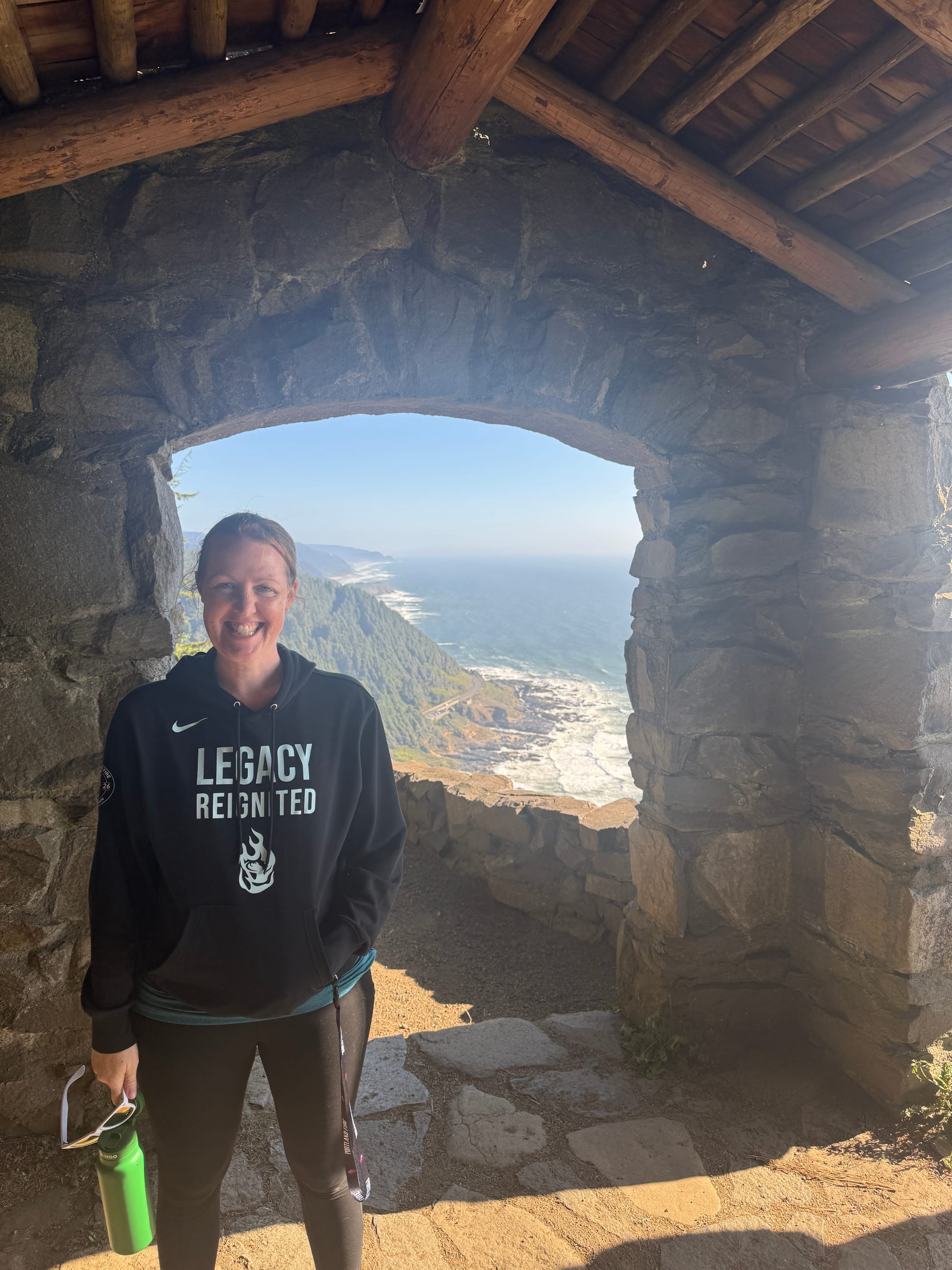
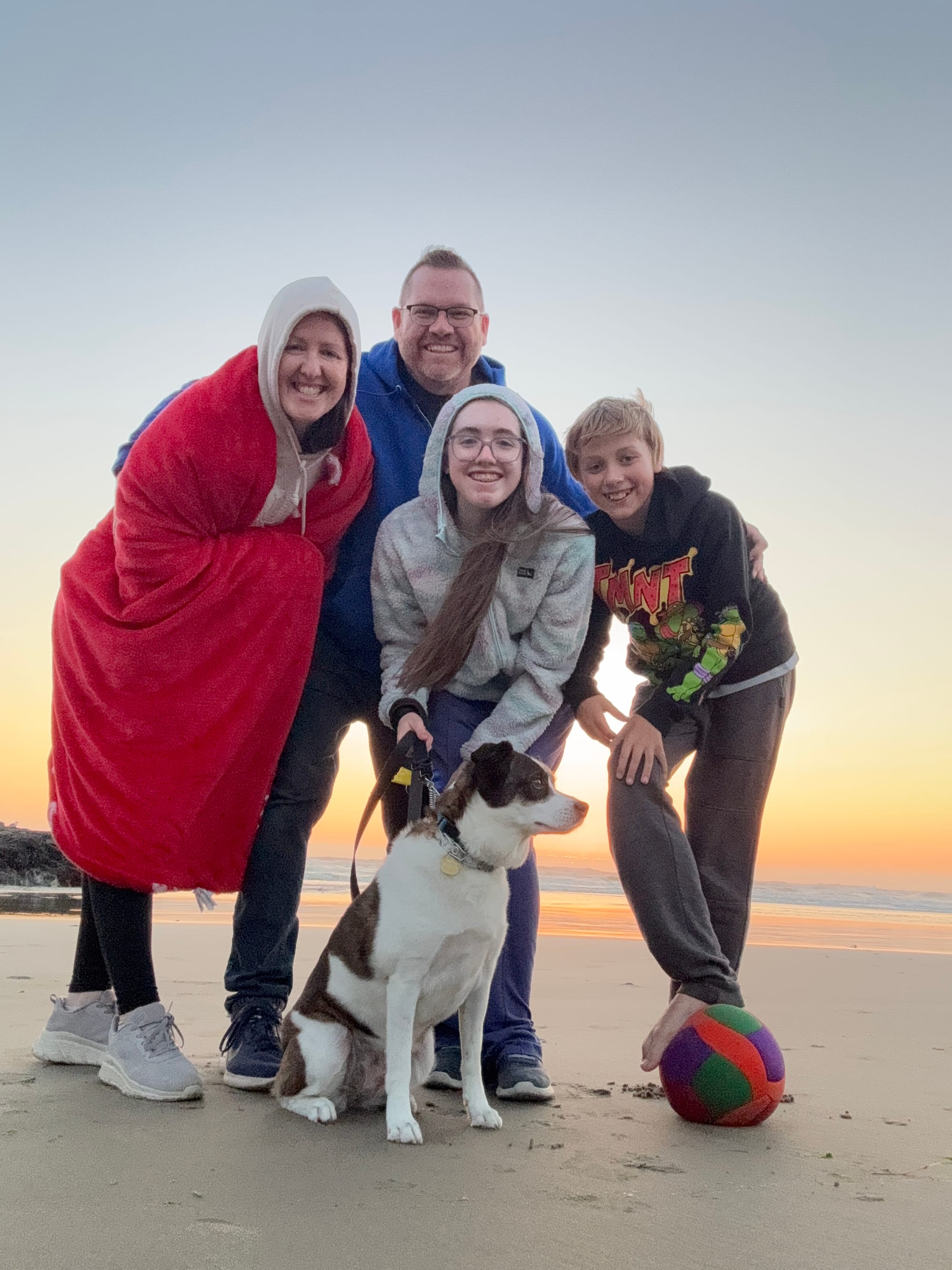
Enjoying time out at the Oregon coast this week!
Let's Work Together!
As we ease into August, I’m opening up a few spots for 1:1 sessions! I’m so grateful for this new adventure.
Our first step is a free vibe check call. It’s a great way to connect, hear part of your story and share about my approach. We can see if it resonates for both of us and then you receive an intake form and link to schedule our first session.
If you’re curious to explore working together in the near future, here’s our interest list and I’ll reach out when spots become available!


